
What If I Get Hit In Police Clearance | Detailed Guide

The “Hit” status on the Philippines police clearance means that the citizen’s name matched a record in the PNP database that requires further verification. It does not directly mean that a person has a criminal record. It could be due to mistaken identity, a pending or dismissed case, or an outstanding arrest warrant linked to a similar name. The NPC hit status caused the delay of certificate issuance. Here is the detailed breakdown of it:
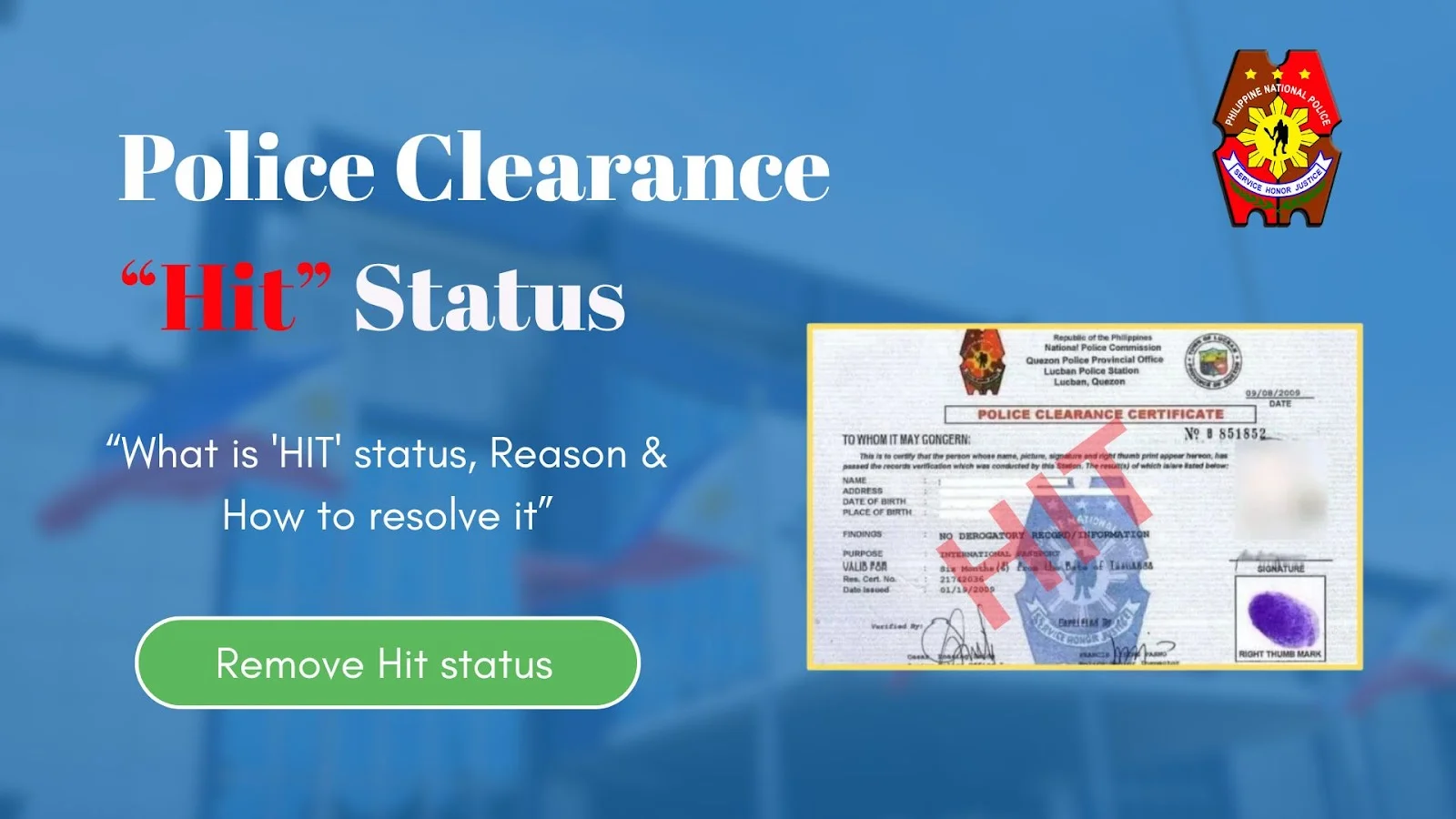
What Happens After a Police Clearance Hit?
The “Hit” status on Police clearance renewal can cause delays and complications in getting your clearance. It is due to your name matching a record that may involve a criminal record, a pending case, or an unresolved issue. Therefore, the Philippines National Police carries out an in-depth verification that causes the delay in the issuance of the certificate.
Here are the possibilities after getting “Hit” status in the NPC.
- Delay in processing and releasing your clearance since further verification and investigation are required.
- You may need to visit the police station multiple times and provide additional documents to clarify your identity or resolve the issue.
- In some cases, you have to pay extra fee to get clearance certificate. Check how to pay through Gcash to get appointment. you can also pay online via LandBank.
- Potential missed opportunities for jobs, travel, visa applications, or business registrations that require clearance.
- In some cases, if there is an outstanding warrant, authorities may hold further actions or investigations.
Common Reasons for “Hit” Status
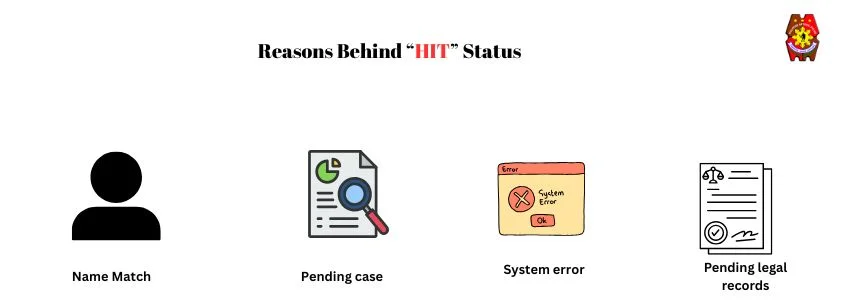
Here are some common reasons behind getting Hit:
- It mostly happens when your name matches someone else in the police database who has a criminal record or a pending case. It mostly happens due to the common Filipino name, like Maria.
- It also happens if your name is not exactly matched. You can also get hit even if one of your first or lost names matched with a criminal record in the PNP database.
- There is an ongoing investigation, trial, or complaint against you.
- Mistakes or incomplete records in the police database can cause a hit.
- Your name might be linked to civil or criminal proceedings that show up during the check.
How To Remove Police Clearance Hit
Once you get “Hot” on NPC clearance, you can easily remove it if it is due to a misconception or a system error. Here is the step-by-step detailed guide for it:
- Find Out Why You Got a Hit: First of all, find the reason why your clearance was flagged. This helps you understand what documents you need.
- Gather Necessary Documents:
- If the hit is due to a pending case, you might need court documents or legal clearance.
- If it’s from a dismissed case, obtain official court documents such as a certified true copy of the dismissal order or proof that the case was resolved.
- If it’s a system or identity error, gather your valid IDs and prepare an affidavit saying you are not the person in the record.
- Submit Documents to Police: Bring your documents to the police station or the PNP office that handles clearances. Submit them along with a formal request to update their records.
- Attend the Interview if Needed: Police might ask you some questions or require you to sign an Affidavit of Denial if the hit is due to mistaken identity.
- Follow Up and Get Clearance: Stay in touch with the police authorities and check your clearance status until the hit is removed. Once resolved, you will receive your clearance without the hit status.
- If you have booked the appointment and become busy on your appointment day, you can reschedule your Police Clearance appointment in advance to avoid missing your scheduled slot.

Just follow the above steps, and you will get your certificate within a few days or weeks. However, your case needs to be resolved if you have a criminal record.
How To Avoid in the Future
Here are some practical precautions to help you avoid a “Hit” in the future.
- Always fill your clearance form carefully, such as first name, last name, and date of birth, and document the clearance form before submitting it.
- Provide your complete first name, middle name, and last name to reduce confusion with others who might have similar names.
- Always use the official and up-to-date government-issued IDs for verification.
- If your name is common, inform the authorities beforehand and provide additional ID details to distinguish yourself.
- Make sure any previous cases that are dismissed or resolved are properly updated and removed from police records.
FAQs
Conclusion
The “Hit” status in clearance means your name matched a record in the police database that needs further manual checking and verification. It doesn’t always mean you have a criminal record. A hit can cause delays, but it can usually be removed by providing the right documents and following up. To avoid hits, use complete and accurate information, and make sure past cases are updated.